How Often Should You Change Your Oil
OIL CHANGE
2 min read
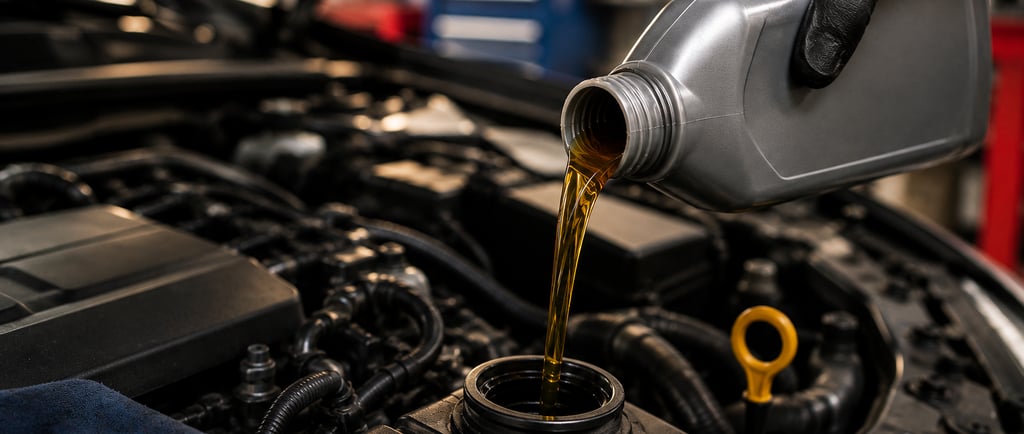
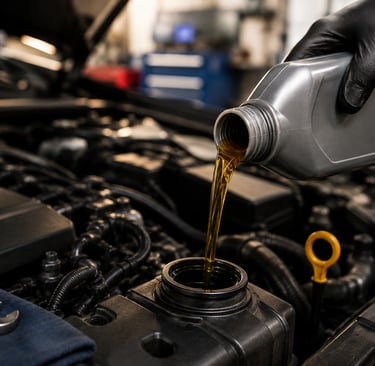
Regular oil changes are one of the simplest ways to keep your engine running efficiently and help prevent expensive repairs. Engine oil lubricates moving parts, reduces friction, helps regulate temperature, and keeps harmful debris from building up inside the engine.
Over time, oil breaks down and becomes less effective, which is why routine replacement matters.
So, How Often Should You Change Your Oil?
The answer depends on your vehicle, the type of oil used, and your driving habits.
General guidelines:
Conventional oil: typically every 3,000–5,000 miles
Synthetic blend oil: typically every 5,000–7,500 miles
Full synthetic oil: commonly 7,500–10,000+ miles
Many newer vehicles also include an oil life monitoring system that tracks driving conditions and alerts you when service may be needed. Your owner's manual is always the best source for your specific vehicle recommendations.
Driving Habits Can Affect Oil Change Frequency
You may need more frequent oil changes if you regularly:
Drive in heavy stop-and-go traffic
Make frequent short trips
Tow trailers or heavy loads
Drive in extreme temperatures
Travel on dusty roads
Drive aggressively
These conditions place additional stress on your engine and can cause oil to wear down faster.
Signs Your Vehicle May Need an Oil Change
Even if you haven't reached your mileage interval, your vehicle may show warning signs:
Oil Change or Oil Pressure Light Appears
Dashboard warning lights should never be ignored.
Dark or Dirty Oil
Fresh oil usually appears amber and translucent. Older oil often becomes darker and thicker.
Engine Noise Gets Louder
Clean oil helps reduce friction. Low or worn oil can allow engine components to create more noise.
Reduced Fuel Efficiency
An engine working harder because of old oil can sometimes affect gas mileage.
Burning Oil Smell
A strong oil odor inside or outside the vehicle may indicate oil issues or leaks.
What Happens If You Wait Too Long?
Skipping oil changes can eventually lead to:
Increased engine wear
Sludge buildup
Reduced fuel efficiency
Overheating issues
Expensive engine repairs
Routine maintenance costs far less than replacing major engine components.
How We Can Help
At Auto Medic, our oil change service goes beyond simply replacing oil. We inspect key components, check fluid levels, and help identify small issues before they become larger repairs.
Keeping up with regular maintenance helps your vehicle stay reliable and perform at its best.
References
Car Care Council Vehicle Maintenance Guide
National Highway Traffic Safety Administration Vehicle Maintenance Information
© 2026 Auto Medic. All rights reserved.