Signs of Transmission Problems
TRANSMISSION REPAIR
2 min read
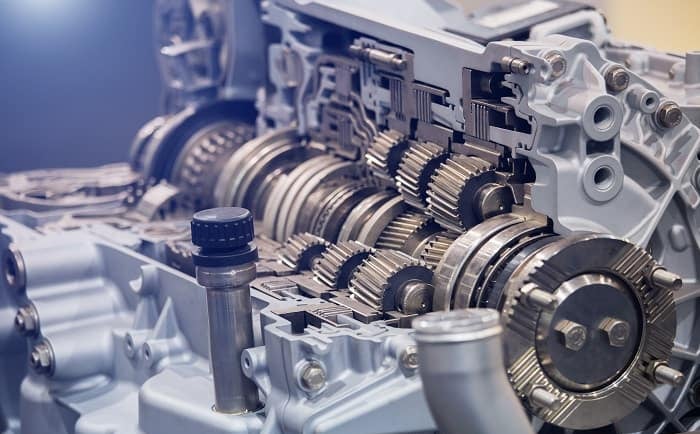
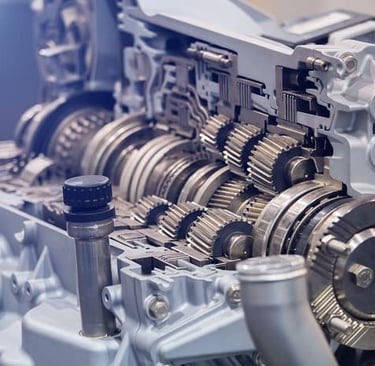
Your transmission plays a major role in how your vehicle transfers power from the engine to the wheels. When it's working properly, gear changes feel smooth and driving feels effortless. When problems begin to develop, your vehicle often gives warning signs before a larger issue occurs.
Recognizing these symptoms early can help prevent more expensive repairs and keep your vehicle performing properly.
Common Signs of Transmission Problems
Hard or Delayed Shifting
If your vehicle hesitates before shifting gears or shifts harder than normal, it may indicate a transmission issue. Gear changes should feel smooth and consistent.
You may notice:
Delays when shifting into Drive or Reverse
Sudden jerking between gears
Rough shifting while accelerating
Slipping Gears
Transmission slipping happens when your vehicle unexpectedly changes gears or struggles to stay in gear.
Common symptoms include:
Engine RPM increasing without acceleration
Loss of power while driving
Delayed response when pressing the gas pedal
Strange Noises
Unusual sounds can sometimes signal internal transmission problems.
Watch for noises like:
Grinding
Whining
Humming
Clunking
If new sounds appear and become more noticeable during shifting, it's worth having the system inspected.
Burning Smell
A burning smell may indicate overheating transmission fluid. Transmission fluid helps lubricate and cool internal components, and old or low fluid can cause increased heat.
Fluid Leaks
Transmission fluid leaks should never be ignored.
Transmission fluid often appears:
Bright red when new
Dark red or brown as it ages
Puddles beneath your vehicle can be an early warning sign.
Warning Lights on the Dashboard
Some vehicles may trigger a transmission warning light or check engine light when a transmission-related problem is detected.
What Causes Transmission Problems?
Transmission issues can develop for several reasons, including:
Low transmission fluid
Dirty or contaminated fluid
Worn internal components
Electrical or sensor problems
Overheating
Lack of routine maintenance
Why You Shouldn't Ignore Transmission Issues
Waiting too long can sometimes turn a smaller repair into a major one.
Ignoring transmission symptoms can lead to:
Reduced vehicle performance
Increased repair costs
Loss of power while driving
Complete transmission failure
Catching problems early can often reduce repair costs and downtime.
How We Can Help
At Auto Medic, our technicians inspect transmission systems and use advanced diagnostics to identify issues quickly and accurately. Whether the problem involves fluid, sensors, shifting performance, or internal components, our team can help get your vehicle back on the road.
References
Car Care Council Transmission Maintenance Guide
National Highway Traffic Safety Administration Vehicle Safety Information
© 2026 Auto Medic. All rights reserved.