
Why Tire Rotation Matters
2 min read
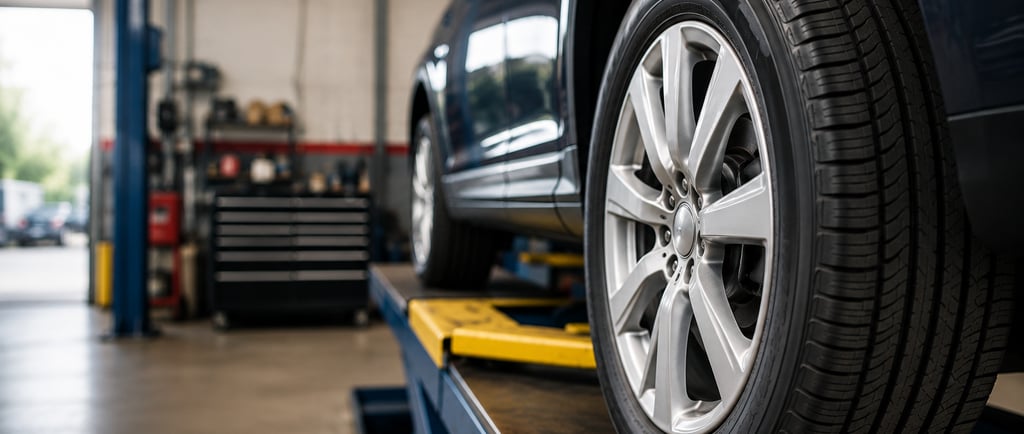
Your tires are the only part of your vehicle that makes direct contact with the road, which means they play a major role in safety, handling, and overall performance. Because tires don't wear evenly on every corner of the vehicle, regular tire rotation helps distribute wear more evenly and can extend the life of your tires.
Many drivers skip tire rotations because the vehicle still feels fine, but this simple maintenance service can help prevent bigger issues over time.
What Is Tire Rotation?
Tire rotation is the process of moving tires from one position on the vehicle to another based on a specific pattern. Since front and rear tires often wear differently, rotating them helps ensure all four tires wear at a more balanced rate.
Different vehicles may use different rotation patterns depending on:
Front-wheel drive
Rear-wheel drive
All-wheel drive
Tire type and size
Benefits of Regular Tire Rotation
Helps Tires Wear More Evenly
Front tires often wear differently because they handle steering and a large portion of braking forces. Rotating tires helps spread out wear across all four tires.
Improves Safety
Even tire wear helps maintain better traction and more predictable handling, especially during rain, snow, or sudden braking situations.
Extends Tire Life
Replacing tires can be expensive. Routine rotations can help maximize the lifespan of your current tires.
Improves Ride Quality
Uneven tire wear can sometimes cause vibrations, road noise, or a rough driving feel. Proper rotation can help maintain a smoother ride.
May Improve Fuel Efficiency
Tires with uneven wear can create additional rolling resistance, which may affect fuel economy over time.
How Often Should Tires Be Rotated?
Most vehicles commonly benefit from tire rotations every 5,000–7,500 miles, although your owner's manual should always be your primary reference.
Many drivers combine tire rotation with routine oil changes to stay on schedule.
Signs Your Tires May Need Attention
Even between scheduled rotations, watch for:
Uneven tread wear
Vehicle pulling to one side
Increased road noise
Vibrations while driving
Visible tread differences between tires
How We Can Help
At Auto Medic, our technicians inspect tire condition, tread wear, and overall performance while performing tire services. Regular tire maintenance helps improve safety, handling, and long-term tire life.
References
National Highway Traffic Safety Administration Tire Safety Information
Car Care Council Tire Maintenance Guide
© 2026 Auto Medic. All rights reserved.